Resources

For families

Available in EN · IT

Seeds of Reflection

Supporting meaningful family conversations about gender, stereotypes, and AI through reflection and play.
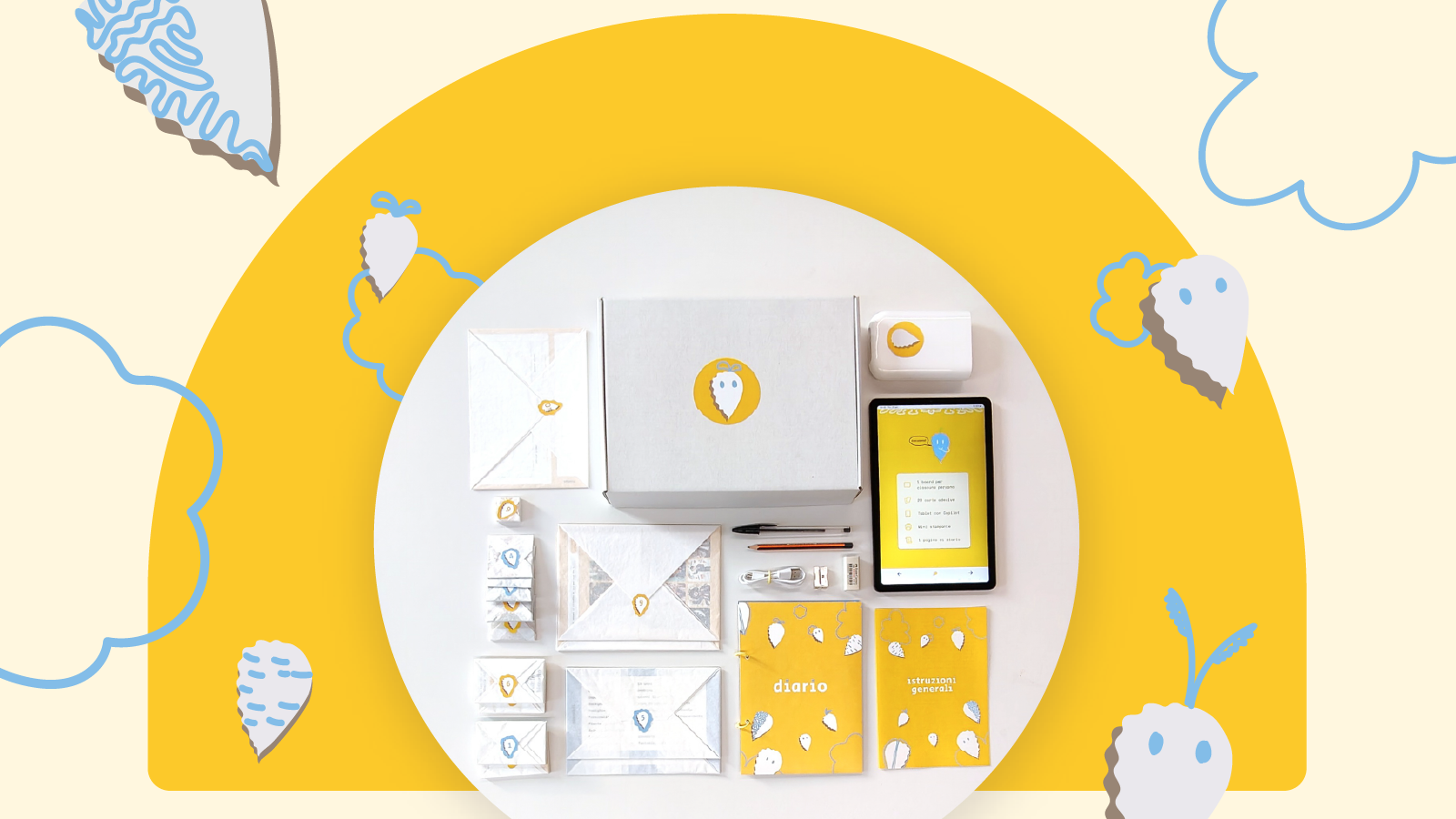
Toolkit 1 hero image

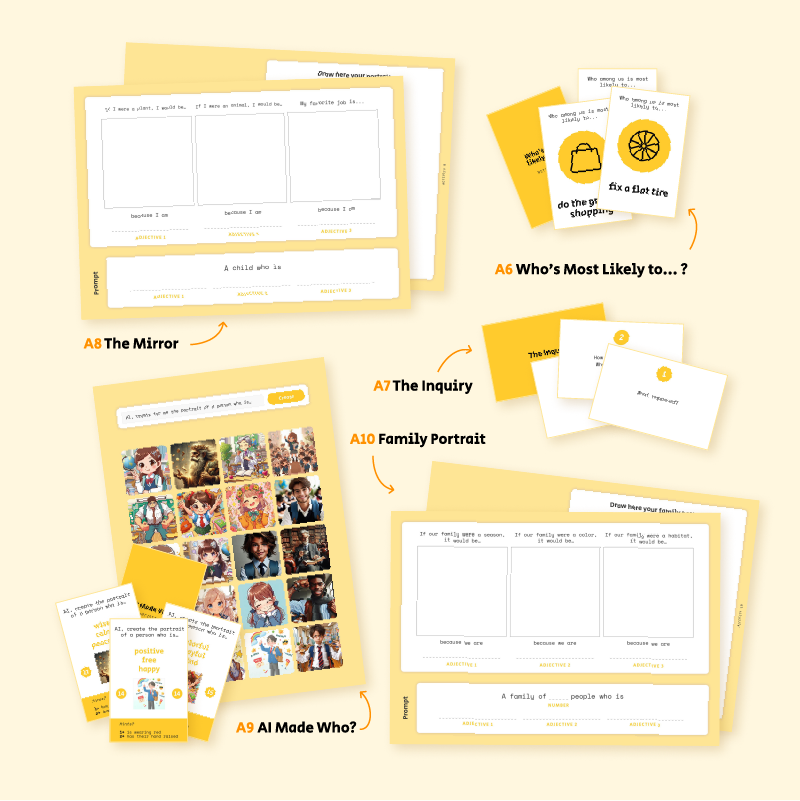
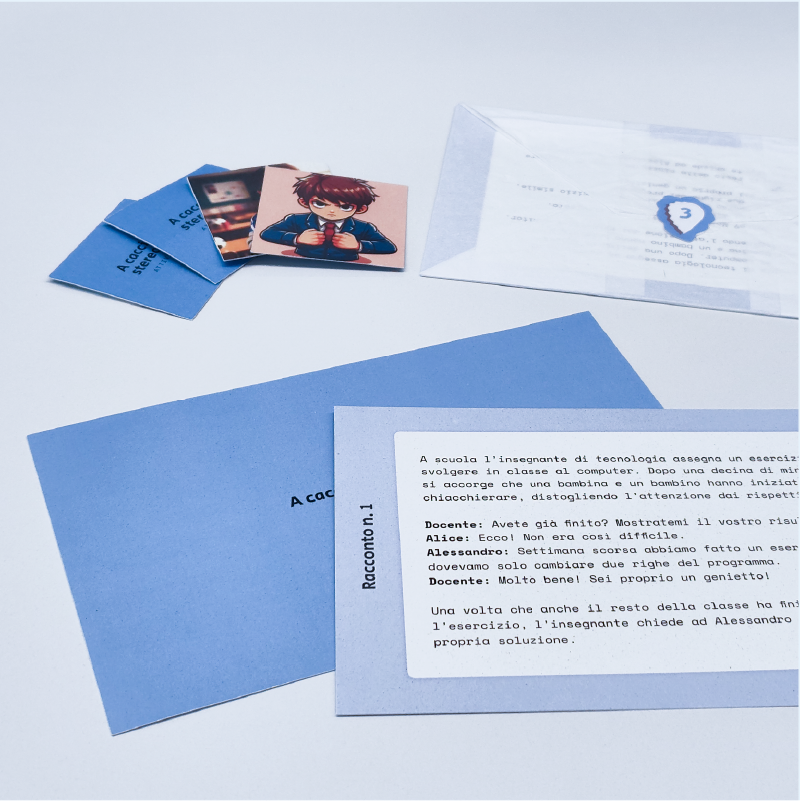
Seeds of Reflection is a cultural probe designed by Irene Zanardi and Shana Dedò that supports conversations about gender bias in AI-generated imagery within families. The toolkit was developed through research on how parents and children can critically engage with generative AI and its representations of people. It combines reflection, discussion, play, and creative activities to help participants explore stereotypes, representation, and the ways AI systems shape everyday understandings of gender.

The toolkit is designed for families with children and can be used at home, in workshops, educational settings, or research activities. It includes ten activities: five self-reflection activities for parents and five collaborative activities for the whole family. The activities can be completed over multiple sessions or adapted to fit a single workshop, allowing participants to engage at their own pace.

Start by reading the instruction leaflet, which provides guidance for each activity as well as prompts to support reflection and discussion. You can then begin with the parent-focused activities, which invite caregivers to document experiences, assumptions, and reflections related to gender and technology. These individual reflections inform a second phase of shared family activities, including discussions, games, and creative exercises using AI-generated images. The toolkit requires minimal preparation and is designed to support open-ended conversations, encouraging exploration and dialogue rather than right or wrong answers.
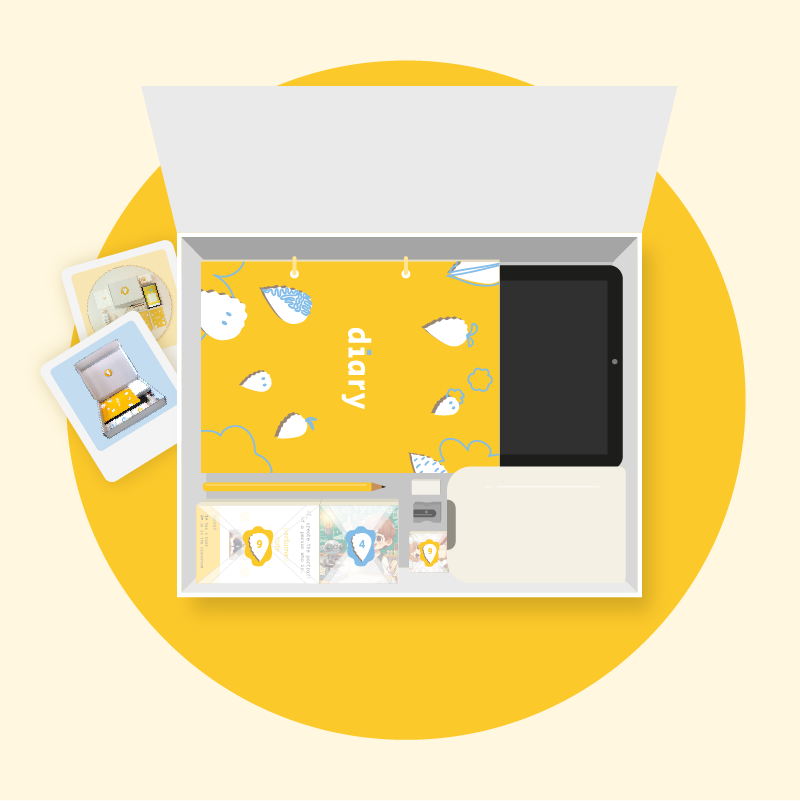
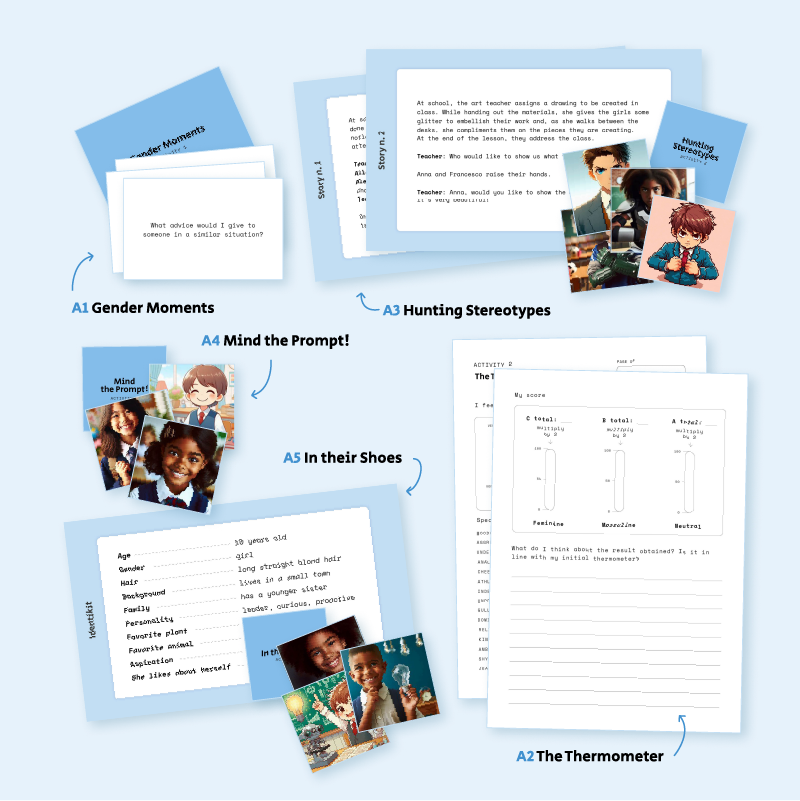
Toolkit 1 contents, image 1 Toolkit 1 contents, image 2 Toolkit 1 contents, image 3 Toolkit 1 contents, image 4

For researchers

The Stargazer Map

A toolkit for reflecting on, analyzing, and reporting participatory sessions with children.

Toolkit 2 hero image

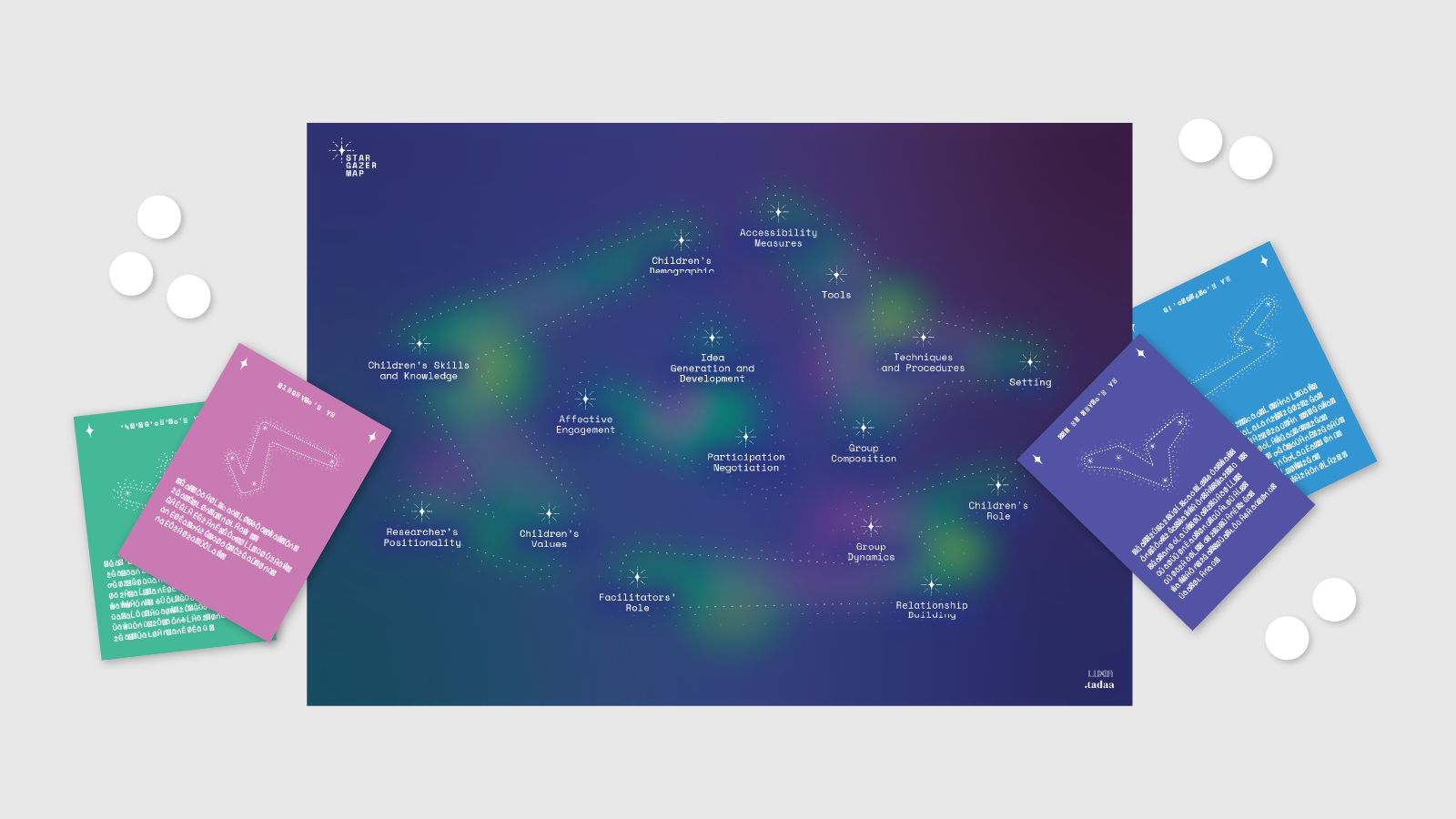
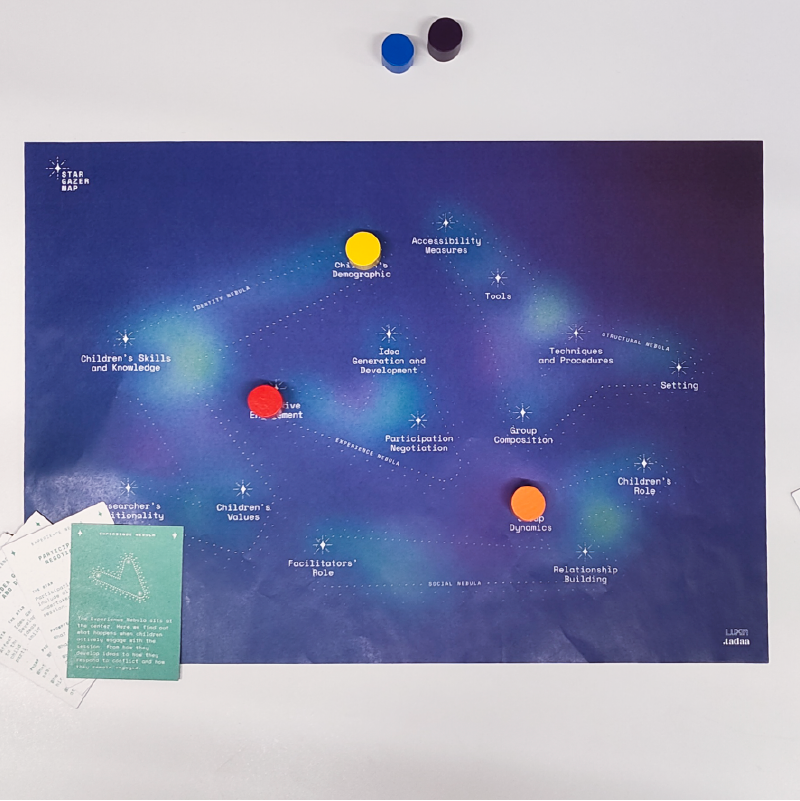
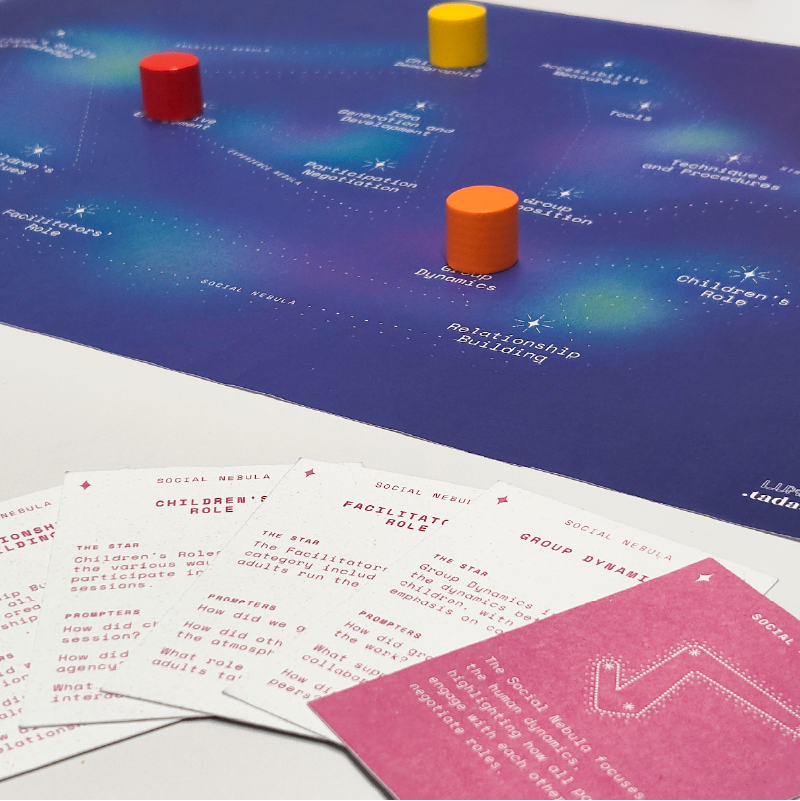
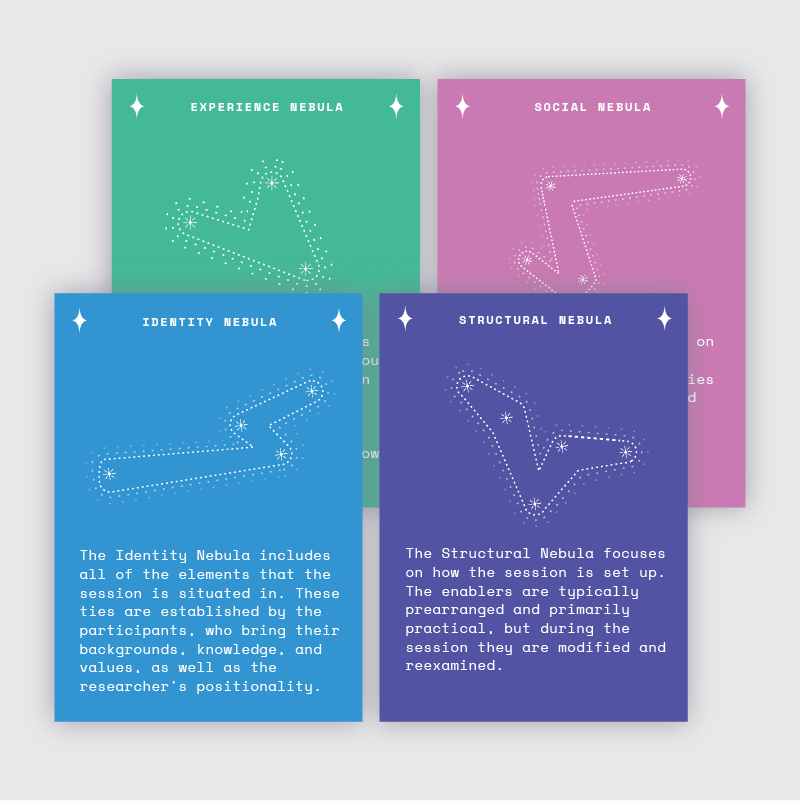
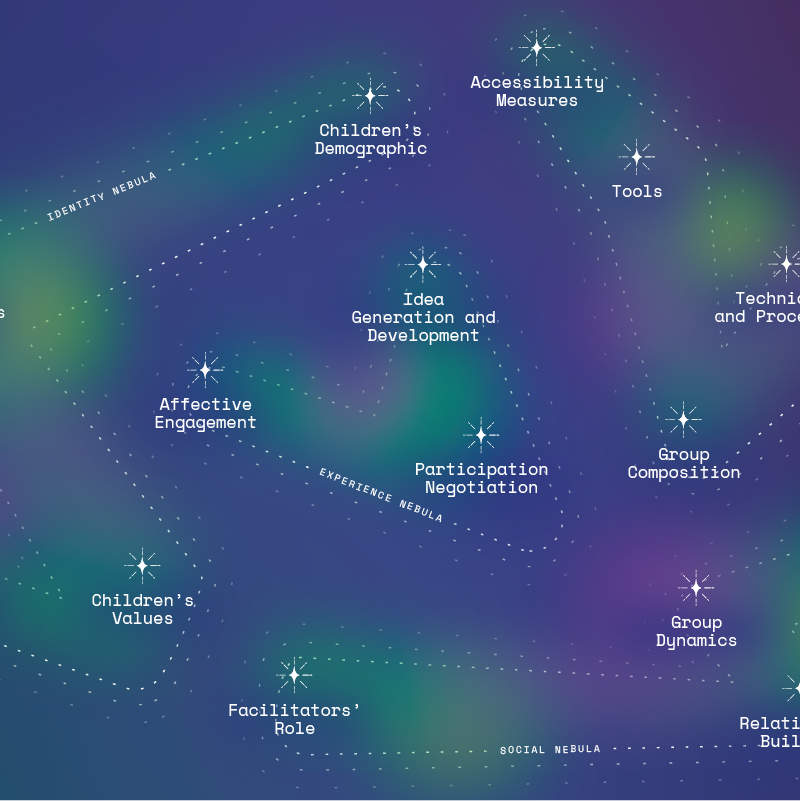
The Stargazer Map is a reflection and reporting toolkit developed from a scoping review of 101 methodological and theoretical papers in Child-Computer Interaction. The toolkit builds on the Stargazer Map framework, which identifies sixteen contextual elements organized into four interconnected nebulae: Experience, Social, Structural, and Identity. Rather than providing a checklist, the Map encourages researchers to explore how different elements influence one another and contribute to the meaning-making process of a participatory session.

The toolkit is intended for researchers, students, and practitioners working with children in participatory design, co-design, and related research activities. It can be used during debrief sessions, data analysis, team reflections, or when writing up research findings. The downloadable materials include the Stargazer Map, a deck of contextual-element cards, and four nebula cards introducing the main areas of the framework. Each card describes a contextual element and offers prompts to support reflection and discussion.

Start by exploring the four nebula cards to familiarize yourself with the framework. Then use the contextual-element cards alongside the Map to identify the factors that shaped a session and discuss how they relate to one another. The cards can be used individually or collaboratively, helping teams surface overlooked dynamics, structure reflective conversations, and decide which contextual details should be documented and reported.

Toolkit 2 contents, image 1 Toolkit 2 contents, image 2 Toolkit 2 contents, image 3 Toolkit 2 contents, image 4

For designers

Guardians Cards

A card set that uses teenagers' visions to spark conversations about the values shaping future AI.

Toolkit 3 hero image

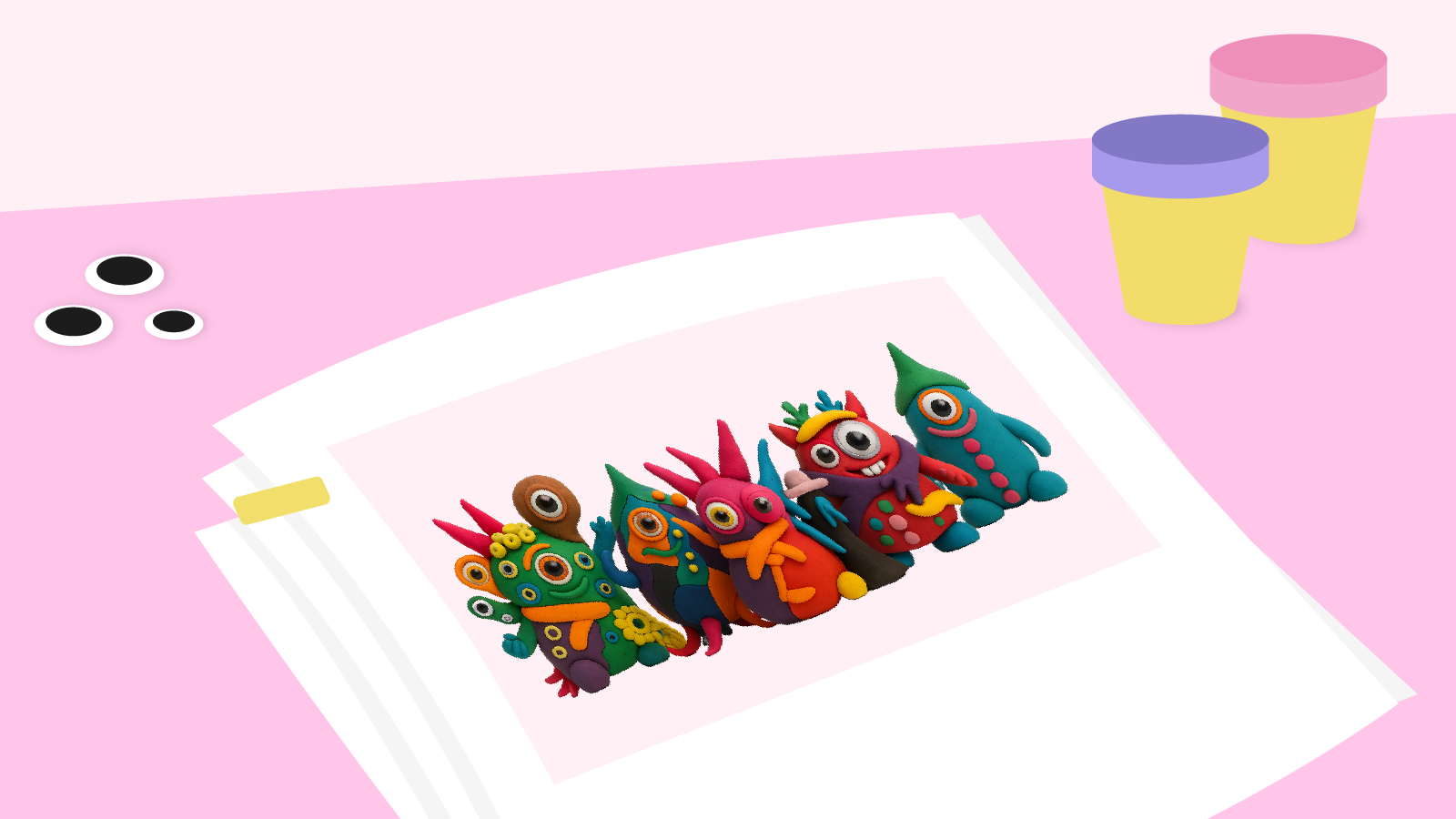
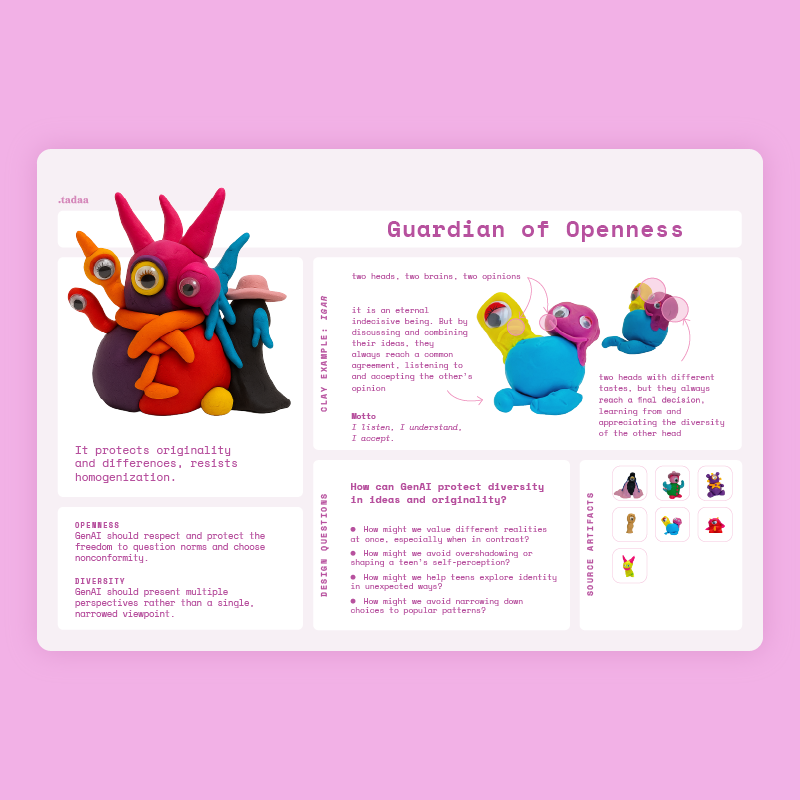
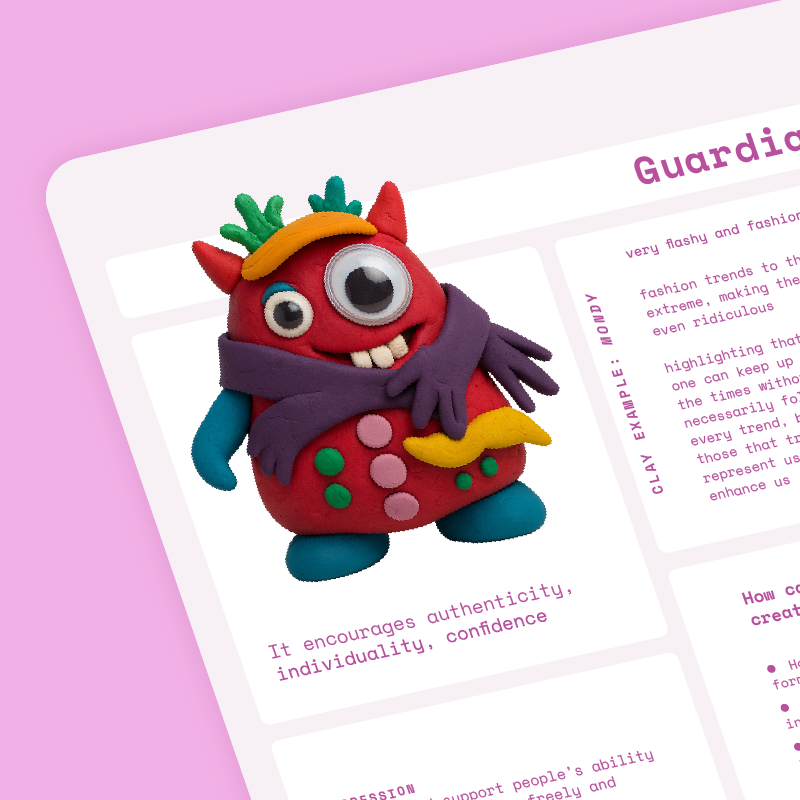
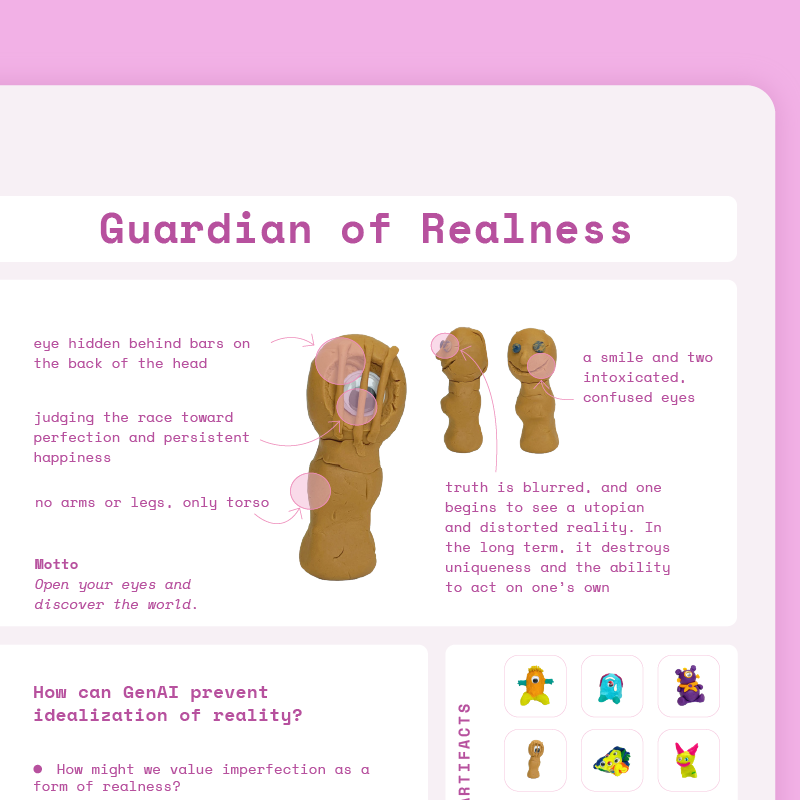
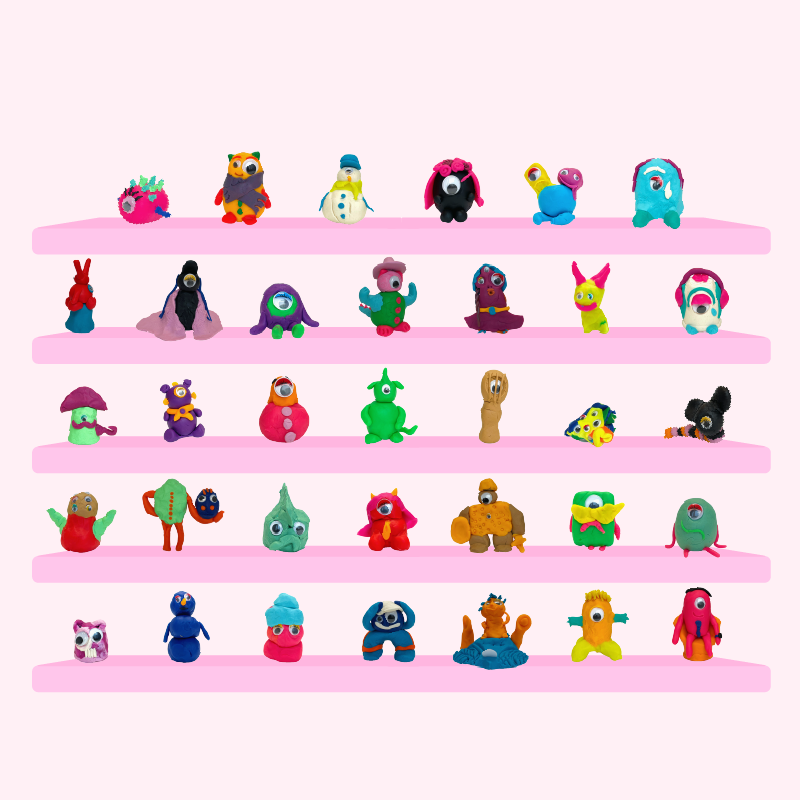
The Guardian Cards are a set of speculative design probes developed from workshops in which teenagers imagined alternative futures for generative AI. Through creative making and storytelling activities, participants created "Guardians" capable of protecting values they considered important in a world increasingly shaped by AI. The resulting cards synthesize these perspectives into five value-driven Guardians.

The toolkit is intended for researchers, educators, designers, students, and anyone interested in discussing the future of AI with young people. It can be used in workshops, classrooms, design activities, or group discussions. Each card introduces a Guardian, the values it protects, the AI-related risks it responds to, and a set of reflective design questions that can support conversations about responsible and desirable AI futures.

Start by exploring the five Guardians and the values they represent: Positivity, Clarity & Self-Reliance, Expression, Openness & Diversity, and Realness & Balance. Use the accompanying reflection questions to discuss how current AI systems support or challenge these values and to imagine alternative directions for future technologies. The cards can be used individually or as a group activity and require no preparation.

Toolkit 3 contents, image 1 Toolkit 3 contents, image 2 Toolkit 3 contents, image 3 Toolkit 3 contents, image 4